
Is It Time? 7 Signs Your Parent’s Home Needs Accessibility Updates
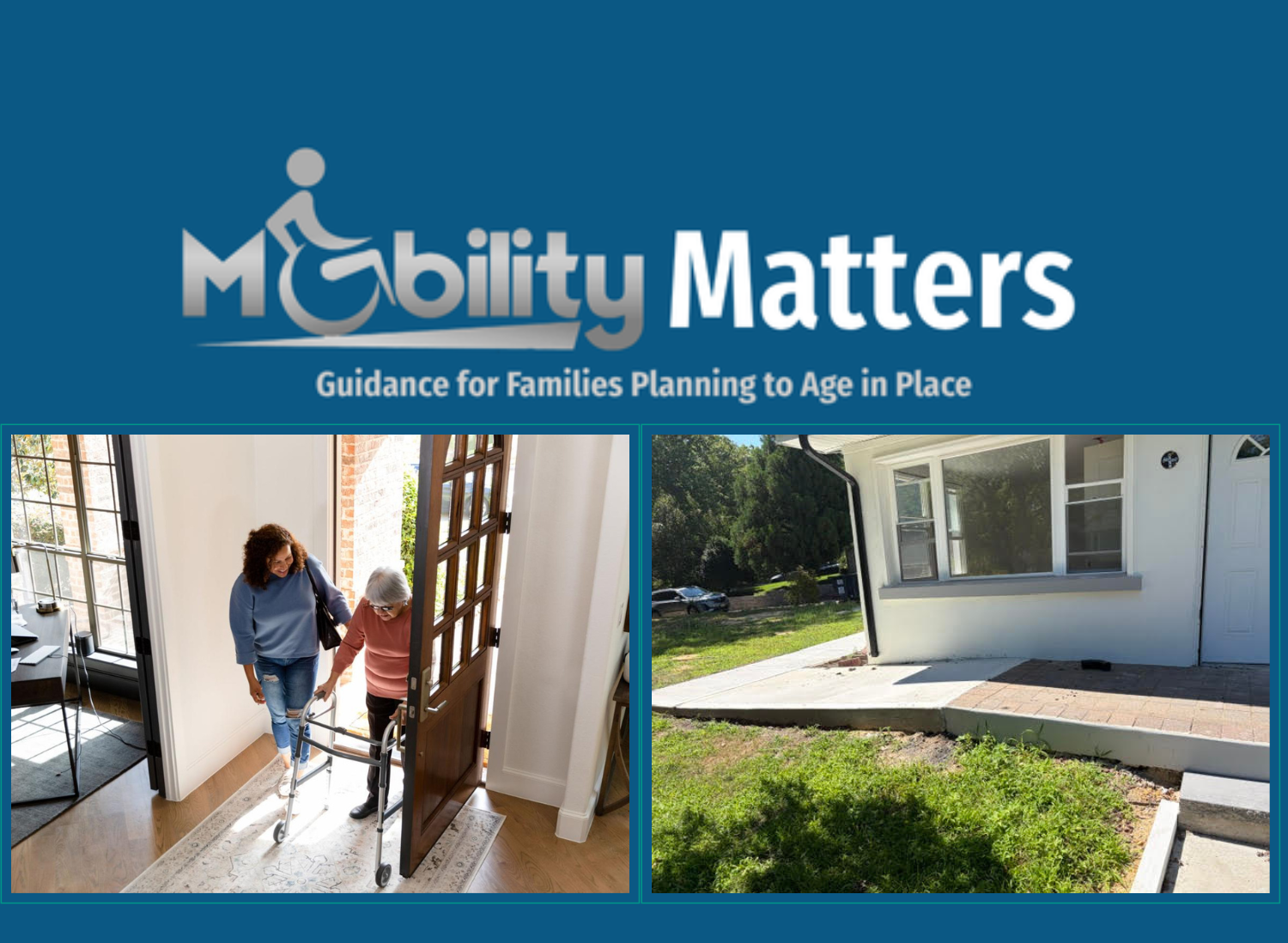
For many families, the conversation about home accessibility begins after a fall, an injury, or a sudden change in mobility. But the best time to make a home safer is often before a challenge becomes a crisis.
Aging in place is about more than staying in a familiar home. It’s about creating a space where your loved ones can continue living with confidence, independence, and dignity.
Here are seven signs it may be time to consider accessibility updates for your parent’s home.
1. Everyday Tasks Are Becoming More Difficult
Small changes can be early indicators that a home is no longer working as well as it once did.
Notice if your parent is:
Holding onto walls or furniture for support
Avoiding stairs they used to use regularly
Struggling with door thresholds or uneven surfaces
Having difficulty getting in and out of the home safely
These moments may seem minor, but they can signal that a few thoughtful updates could make daily life much easier.
2. There Have Been Near Falls or Safety Concerns
A fall doesn’t have to happen for a home to need attention.
Loose rugs, narrow pathways, steep steps, and challenging entrances can create hidden risks. Often, family members notice these concerns before their loved one does.
Making improvements proactively can help reduce hazards and provide greater peace of mind for everyone.
3. Your Parent Is Avoiding Parts of Their Home
Pay attention to changes in routines.
Maybe the upstairs bedroom is no longer being used. Maybe your parent avoids going outside because the steps feel intimidating. Maybe they’ve stopped inviting friends over because entering and exiting the home has become difficult.
When someone begins changing how they use their home, it may be a sign the home needs to change with them.
4. They Are Resistant to the Conversation
Many older adults associate accessibility updates with losing independence. The opposite is often true.
A ramp, stair lift, or accessible bathroom modification isn’t about what someone can’t do anymore. It’s about making sure they can continue doing the things they love safely and comfortably.
The conversation is easier when framed around independence, not limitations.
5. Mobility Changes Are Already Happening
A new diagnosis, surgery, injury, or change in strength or balance can quickly impact how someone moves through their home.
Waiting until a major event occurs often leaves families making rushed decisions under stress.
Planning ahead allows time to explore options, make thoughtful choices, and create a solution that truly fits the home and the individual.
6. Family Members Are Providing More Help
If children or caregivers are stepping in more often to assist with daily activities, it may be time to look at the home environment.
Accessibility improvements can help your loved one maintain more independence while also making caregiving safer and easier.
7. You’re Thinking “What If?”
Sometimes the biggest sign is simply a question:
“What would happen if my parent’s mobility changed tomorrow?”
Proactive planning gives families options. It allows you to prepare before there is an emergency and create a home that supports the future.
The Best Accessibility Decisions Are Made Before They’re Urgent
Home accessibility isn’t about preparing for what someone has lost. It’s about protecting what matters most: independence, comfort, and the ability to remain at home.
If you’re noticing changes in your parent’s mobility or wondering where to begin, a conversation with an accessibility professional can help you understand the possibilities.
Mobility Construction helps families create safer, more accessible homes with customized solutions designed around each person’s needs.
Learn how your home can better support aging in place. Contact Mobility Construction for a consultation at 732.677-3278.